Look around your home, your office and public utility spaces. We are surrounded almost entirely by synthetic products or natural materials also treated with some sort of chemical.
Walls and floors, furniture and carpeting, clothes and fabrics, cleaning agents and detergents, hygiene and personal care products, gadgets and equipment, almost all of them are treated with synthetic compounds. Refrigerants and air conditioners, insect repellants, stationery, inks and markers. These compounds are almost always petroleum-based.
The problem is that they contain significant amounts of Volatile Organic Compounds (VOC). Some of the most common VOCs are trichloroethylene, benzene, ethylene glycol, formaldehyde, methylene chloride, tetrachloroethylene, toluene, xylene, etc.
You may ask, 'So what if their VOCs?'
In the short term, Volatile Organic Compounds tend to cause Eye, nose, throat and skin irritation, Headaches, Nausea/vomiting, Dizziness and Asthma.
In the long term, they tend to cause Cancer, Liver and kidney damage and Central nervous system damage. It is also believed to cause infertility.
There is no kind way to state it, but the fact is, our home and work spaces are enveloped by VOCs, all of them toxic. Worse still, we cannot escape the situation unless we go and live in a forest or the countryside in a traditional and natural home environment.
Well, what can we do?
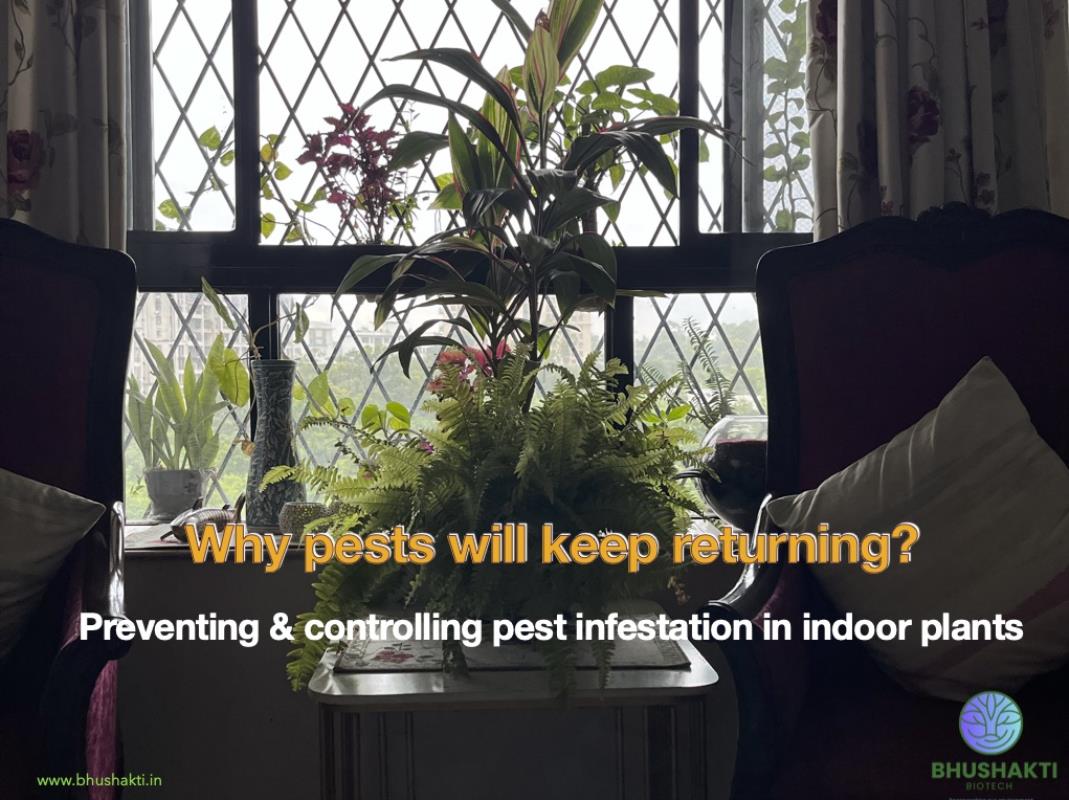
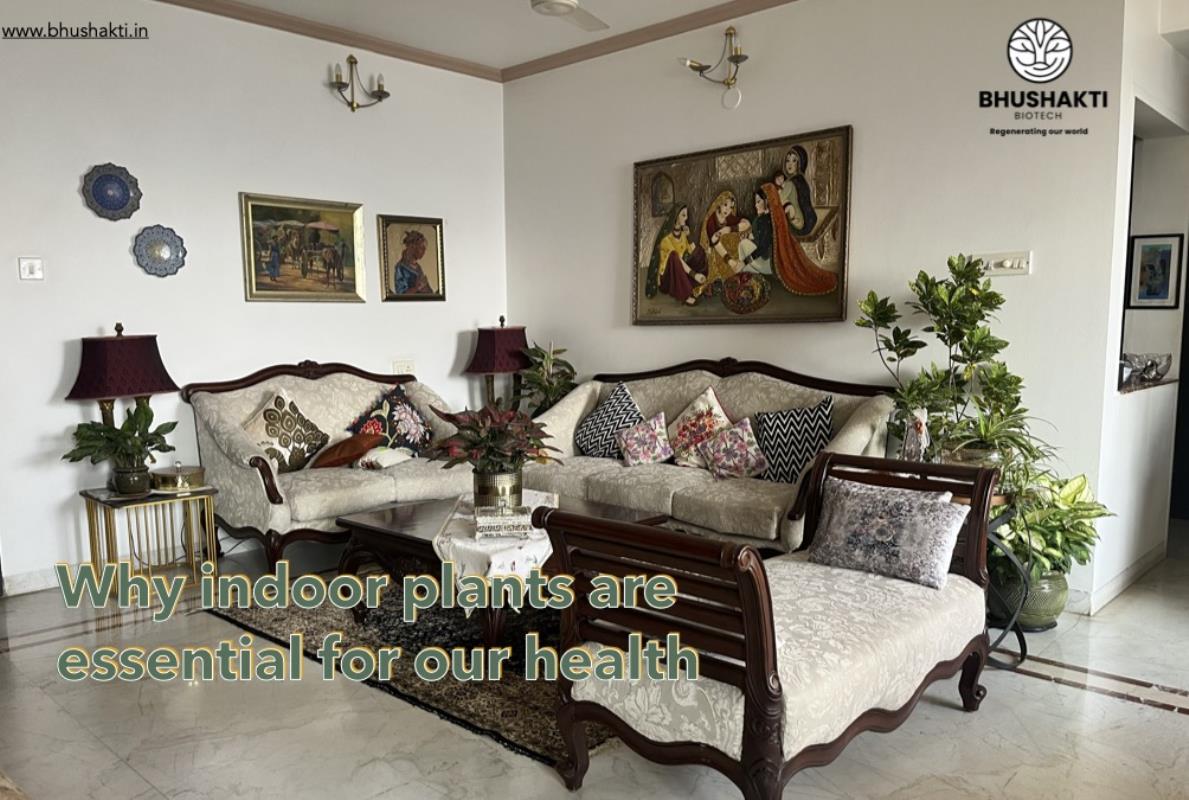
What cannot be ignored or avoided has to be coped with. Many people use air purifier equipment, most of them only remove dust, not VOCs. A simple, cost-effective and practical solution lies in surrounding ourselves with plants and trees.
How does having plants work in managing VOCs in our environment?
Plants are living beings that breathe in air mainly through their leaves, absorbing even the VOCs. Plants mitigate toxins by converting these toxic compounds in two ways. First, through the leaves and secondly, through the roots into the soil. In the leaves, some of the VOCs are converted into harmless products such as oxygen, carbon dioxide and water vapour. Secondly, the VOCs are exuded into the soil through the roots, where billions of microscopic microbes break down the toxins into harmless compounds.
Which plants are best?
All plants are capable of handling VOCs to some degree, but some are very good at it.
Some have been identified as better than others, not only because they do well indoors and are effective in air pollution abatement, but also forgiving of human abuse and neglect.
preprocess
Some of the most common and effective ones against Carbon Monoxide, Formaldehyde, Benzene, Xylene and many other VOCs are Peace Lily, Snake Plant, Aloe Vera, Rubber Plant, Green Money Plant, Areca Palm, Lucky Bamboo, Spider Plant, Fiddle Leaf Fig, Boston Fern
All plants need sunlight, some more than others. So one should rotate the plants periodically from low to higher light areas indoors and back. Better still, take them outdoors (even a verandah will do), provided there is adequate sunlight and the weather permits. Please note that many indoor plants actually grow on the forest floor or in semi-shade conditions in nature; therefore, they are unlikely to be able to tolerate harsh sunlight.
The more plants we keep indoors, the healthier we will be, the more energetic we will feel and the better we will rest.
Just a couple of plants are unlikely to make much of a difference, but a number of them will certainly keep you healthier.
Another way plants improve the air quality is through the process of plant transpiration. Plants release water vapour, which increases humidity, reduces dryness, soothes respiratory irritation, and helps settle airborne dust, while also contributing to air purification by releasing phytochemicals.
Then there is the added advantage of the beautiful aesthetics that come from being closer to nature. Our grandson Aryan Singh, one morning, remarked, "Dadu, we are so lucky. Some people have a garden in their home, but we are so lucky to have a home in a garden."
preprocess
INTERESTING LINKS:
- What are volatile organic compounds (VOCs)? ~ EPA - United States Environmental Protection Agency
- Nasa-Approved: Top 10 Air-Purifying Plants For Your Bedrooms In India ~ Urban Plant
- Interior Landscape Plants for Indoor Air Pollution Abatement ~ NASA
- Volatile Organic Compounds in Your Home ~ Minnesota Department of Health
- Registry of known Volatile organic compounds~ ATSDR - Agency for Toxic Substances and Disease Registry
- You can also view the article and comment on my Blog
Organisations mentored:
Ileseum Clubs - Hotfut Sports - Bhushakti Biotech
#air_pollution #aloevera #asthma#cancer #fiddleleaffig #healthy #home #humidify #indoor_plants #nasa #palm #peacelily #phytochemicals #plants #pollution #respiratoryillness #rubberplant #snakeplant #spiderplant #VOC #volotileorganiccompounds